CGI Product Video Production
How brands use CGI, 3D product animation and photorealistic visuals to create cinematic product commercials for launches, advertising and social content.

Published:
September 18, 2026
A product commercial does not always need a physical studio, a camera and a traditional shoot. CGI product video production gives brands another way to present a product, from precise close-ups of its materials and components to cinematic environments that would be difficult or impractical to create physically.
The approach can be particularly useful for product launches, advertising and social campaigns where the product needs to look highly polished while the visual world around it is part of the story. CGI does not replace traditional product photography or filming in every situation. The right production method depends on the product, concept, message, budget and final deliverables.
A CGI product video is a commercial or visual sequence created using computer-generated imagery to present a product. The product can be recreated digitally from existing 3D or CAD assets, or modelled by the production team, and then placed into a fully controlled visual environment. This makes it possible to focus closely on the details that make a product distinctive: its shape, materials, textures, reflections, glass, metal, liquids, surface finishes and even small imperfections. Instead of simply recording the product as it exists in front of a camera, the production team can design how every element is seen and experienced. The result can range from a clean studio-style product animation to a highly cinematic commercial with complex movement, environments and visual effects.
Traditional product shoots can be an excellent choice when the physical product, location and concept naturally lend themselves to filming. CGI becomes particularly interesting when the creative idea requires more control over the product, camera or environment than a physical shoot can easily provide. A digital production can place a product into an environment that does not physically exist, create impossible camera movements, reveal internal components or build a highly stylised world around a product. It can also make it easier to develop a visual language where every reflection, shadow, material and movement is intentionally designed. The decision is therefore not simply about choosing CGI instead of filming. It is about choosing the production method that best supports the idea.
One of the biggest advantages of CGI product animation is the freedom to design the entire visual world around the product. A product can appear in a surreal environment, move through an architectural space that would be difficult to build, interact with liquids or particles, or be presented through a sequence of impossible transitions.The camera can move around the product with complete control, while lighting and reflections can be adjusted precisely for every shot. These possibilities can turn a straightforward product demonstration into a more memorable commercial while keeping the product itself at the centre of the visual story. The visual effect is not the goal by itself, however. The environment, movement and effects still need to support what the brand wants the audience to understand about the product.
The quality of a CGI product video starts with the product itself. Some brands already have CAD or 3D models created during product development, while others need the product to be modelled specifically for the campaign. Existing assets can provide a strong starting point, but they may still need to be prepared for production. Geometry may need optimisation, individual elements may need to be rebuilt, and materials need to be developed specifically for the final lighting and rendering setup. This stage is especially important for products where small details define the visual identity. Packaging, precise edges, glass, polished metal, plastics, fabrics and surface textures all behave differently under light, so the digital model needs to be prepared with the final visual treatment in mind.
A photorealistic product animation depends on much more than the model itself. Materials and lighting determine how the audience perceives the product on screen, which is why look development is such an important part of CGI product production. Glass needs to transmit and reflect light correctly. Metal needs the right balance of reflection and roughness, while plastics, painted surfaces and packaging each respond differently to light. Even small details such as scratches, surface imperfections or subtle texture can affect whether a digital product feels believable. The goal is not simply to create a technically accurate model, but to make the product look its best within the visual language of the commercial.
CGI gives the production team precise control over the camera. Instead of being limited by a physical lens, rig or location, the camera can be designed specifically around the product and the story. A shot can move extremely close to a surface, travel around the product, transition through different components or reveal the product from an unexpected angle. Camera movement can also be synchronised with product animation, simulations, lighting changes and other visual elements. This control is particularly useful for cinematic product commercials, where the camera itself becomes part of the visual storytelling rather than simply documenting the product.
The product does not always have to remain static. CGI allows individual components to move, open, rotate, transform or interact with other elements in the scene.
For example, a product can be deconstructed to reveal its internal components, assembled step by step, or shown interacting with liquids, particles, materials or its surrounding environment. The type of animation depends on the product and, more importantly, on what the audience needs to understand. For some products, the animation is primarily aesthetic. For others, it can explain functionality or communicate a specific product benefit. The creative concept determines how much of this functionality should actually appear on screen.
The product can be placed almost anywhere the concept requires. It might be presented against a minimal studio background, surrounded by architectural elements, integrated into a realistic environment or placed into something completely surreal.
The environment can be designed specifically around the product rather than being selected from what is physically available for a shoot. This gives the creative team greater freedom to connect the product with a particular mood, material world or brand identity. A beauty product might live inside an abstract world of liquid and light, while consumer electronics could be presented within a futuristic environment designed around the product's technology. The environment is therefore not simply a background; it can become part of the product story.
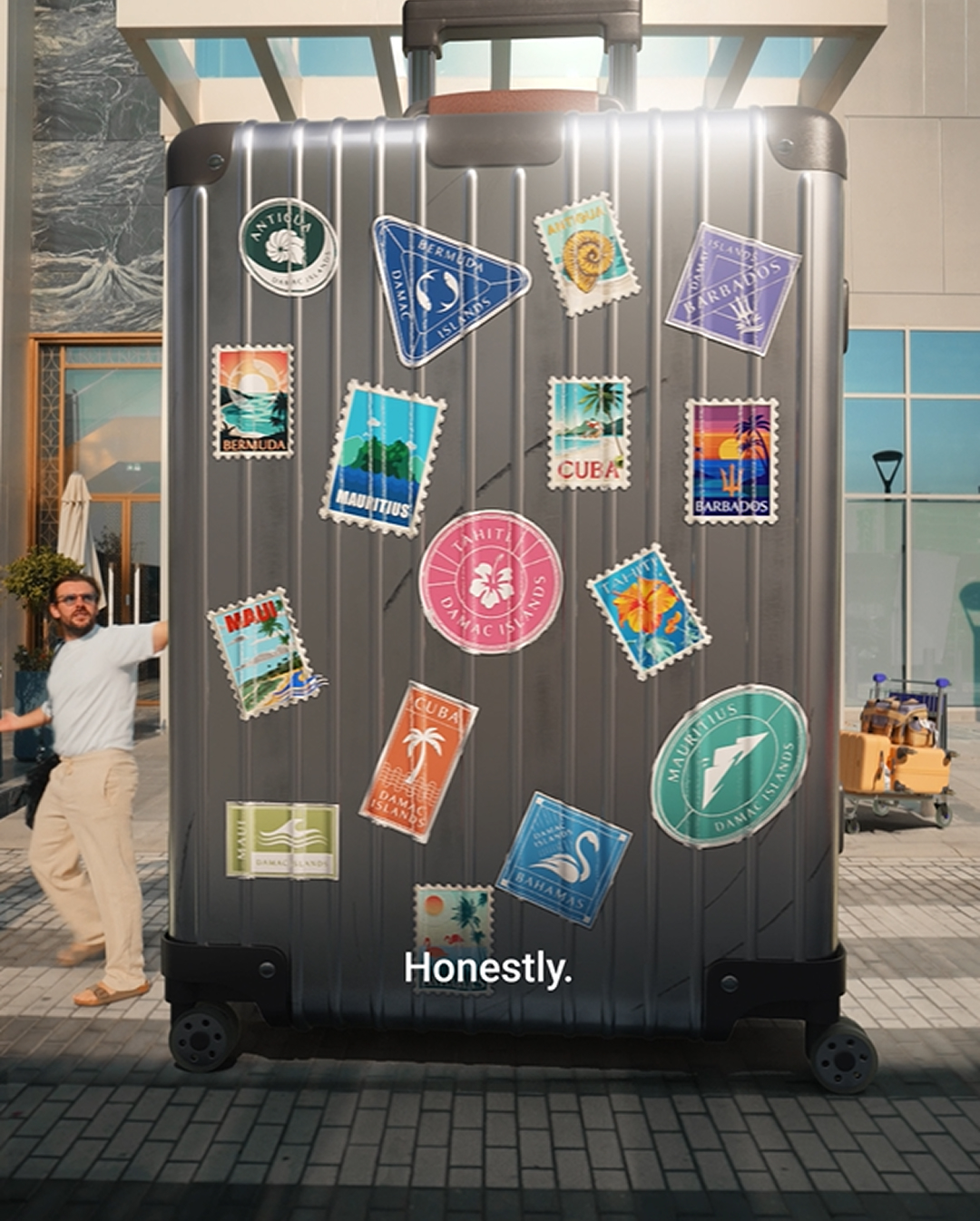
FOOH can take the same product-focused CGI approach and place it into a real-world context. Instead of presenting the product in a controlled digital studio, the product can appear within a recognisable urban environment or interact with real architecture and surroundings. This creates a different type of visual experience while still relying on CGI to control the product, animation, scale, lighting and interaction with the environment. FOOH can therefore become an extension of product CGI rather than a completely separate production discipline. The same product asset and visual development can potentially support different types of campaign content, depending on the concept and intended use.
A well-prepared digital product asset can potentially become the foundation for more than one piece of content. The same asset may be used for a hero product film, shorter social videos, still images, loops, product visuals or paid-media adaptations. It can also support future campaign variations where the product needs to appear in a different environment or format. This can make the original CGI production more useful beyond a single hero video, particularly when a campaign requires multiple visual assets. The exact possibilities depend on the original production scope, the way the asset is prepared and the intended usage. Planning for these possibilities early can help brands get more value from the initial CGI production rather than creating every product visual from scratch.

The production usually starts with the brief and the idea. Before modelling or animation begins, the team needs to understand what the product should communicate, who the audience is, where the content will be used and what kind of visual world supports the concept. From there, the production can move into product modelling or asset preparation, storyboard development and visual exploration. Styleshots and look development establish the visual direction, while an animatic helps define timing, camera movement and the structure of the film before final production begins. Once the visual direction is approved, the team develops the animation, lighting, materials and rendering. Depending on the project, this can include simulations, compositing, sound design and other post-production work before the final deliverables are prepared for their intended formats.
A short CGI product commercial can typically take around 3–4 weeks to produce, although the actual timeline depends heavily on the scope. The length of the final film is one factor, but it is not the only one. The complexity of the product model, the number of products or assets, animation, simulations, environments, materials, camera movement and the number of shots can all affect production time. A 15-second film can therefore be more complex than a longer piece if it contains detailed simulations, multiple environments or technically demanding product animation. The production timeline is usually established once the concept, deliverables and technical scope are clear. This allows the studio to account for the actual work required rather than estimating production time from video duration alone.
There is no single price for CGI product video production because the scope can vary significantly from project to project. The main factors include the complexity of the product, whether suitable CAD or 3D assets already exist, the amount of modelling required, the number of shots, animation complexity, simulations, environments, materials, final formats and the level of post-production. The length of the video also matters, but it is only one part of the production scope. A short commercial with complex simulations and detailed product animation can require considerably more work than a longer video with a simple setup. For a broader explanation of CGI and FOOH production budgets and the variables behind them, see our FOOH & CGI Commercial Production Cost guide. A product film can then be scoped according to the actual creative and technical requirements rather than simply being priced by duration.
AI can also become part of a modern product video workflow, particularly when it helps accelerate visual exploration or selected production stages. It can support the development of visual references, look exploration, generated environments or selected elements of a shot. CGI remains important for the parts that require precise control over the product, camera, materials, geometry or animation. This combination can be useful when a campaign needs both creative variation and a high level of product control.
The exact balance between AI, CGI and traditional post-production depends on the concept and the requirements of each shot. AI is therefore not necessarily used throughout the entire production; it can be introduced where it provides a useful advantage without compromising the product or the final visual quality.
Product CGI can be applied across a wide range of categories because the production method is not tied to one particular type of product. The visual approach changes depending on the product, audience and campaign objective.
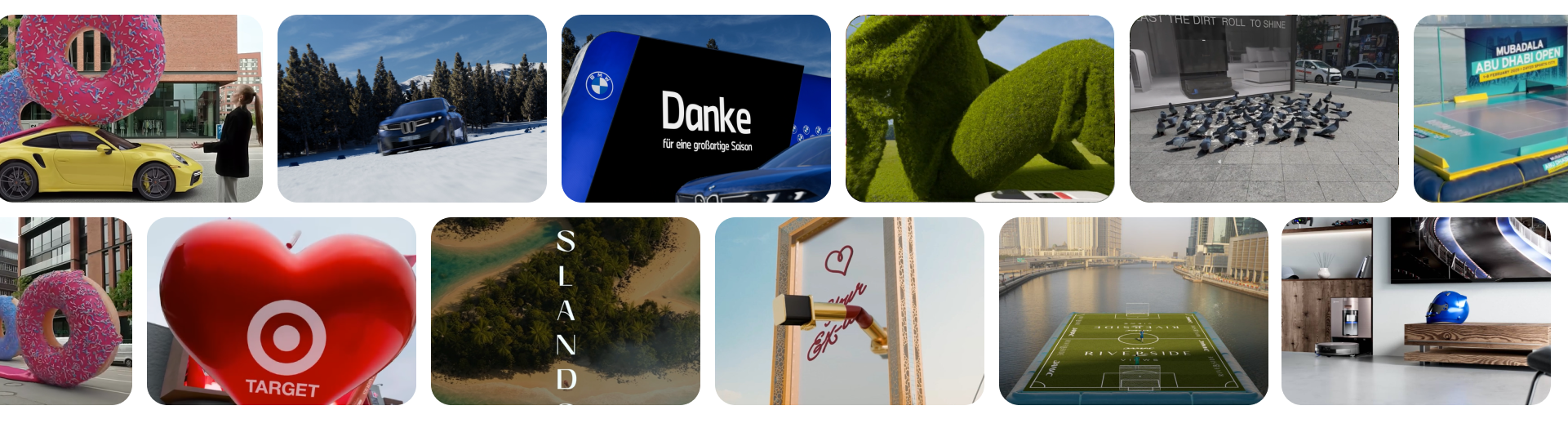
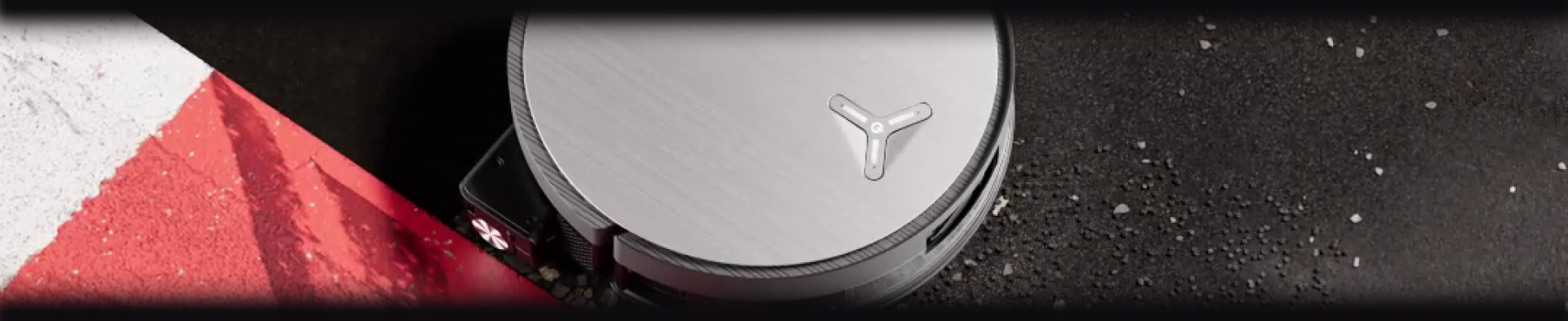
For beauty and cosmetics, CGI can highlight packaging, textures, liquids, glass, reflections and highly stylised environments. For FMCG, it can create product worlds, ingredient interactions, packaging reveals and dynamic product animations. Consumer electronics can benefit from precise product modelling, component reveals and cinematic technology-focused environments. In luxury, the focus may be on materials, craftsmanship, lighting and controlled visual composition. In automotive, CGI allows brands to control the vehicle, camera, environment, materials and movement while creating films that can be adapted across different campaign formats. The creative approach changes from category to category, but the underlying principle remains the same: use CGI to give the product the visual treatment that the concept requires.
CGI product video is not automatically the right solution for every product commercial. Sometimes a traditional shoot is the most effective way to communicate the product, particularly when the physical product, talent or real environment is central to the idea. CGI becomes particularly valuable when the concept requires controlled product presentation, unusual environments, complex animation, impossible camera movements or a highly designed visual world. A hybrid production can also combine filmed footage with CGI when the idea benefits from both. The best production approach is determined by the creative objective first. Technology should support the idea rather than dictate it.
At HAUT, CGI product video production starts with the product and the idea behind the campaign. We look at what needs to be communicated, how the product should be experienced visually and what kind of environment, camera language and animation can support the message.
Depending on the project, we can work from existing CAD or 3D assets or build the product digitally from the beginning. From concept and storyboard through styleshots, look development, animation, rendering, sound design and post-production, the workflow is developed around the specific requirements of the product and campaign. The final result can be a standalone CGI product commercial, a wider set of campaign assets or a combination of CGI, FOOH and AI-assisted production. The approach is always defined by the concept, product and intended use of the content.
.png)