How to Choose a CGI & FOOH Production Studio in 2026
A practical guide to choosing the right CGI, FOOH and VFX production partner for global brand campaigns.


Choosing a CGI or FOOH production studio is not simply about finding the most impressive showreel. A CGI image can look spectacular in a portfolio, but a successful commercial production involves much more than a single beautiful frame. The studio needs to understand the brief, develop the visual direction, manage the technical pipeline, communicate clearly and deliver the final assets within the agreed scope and timeline.
This becomes especially important for brands and agencies working across the US, Europe, the UAE and other international markets. A modern CGI production can involve 3D modeling, animation, VFX, live-action integration, FOOH, Mixed Reality, AI-assisted workflows and multiple campaign formats — sometimes within the same project. So how do you choose the right CGI production studio, CGI agency or FOOH production partner?
The answer starts with looking beyond the final image and understanding how the studio actually works.
Choosing a CGI production studio usually starts with the portfolio, but a portfolio needs to be read rather than simply viewed. A polished showreel can tell you that a studio is capable of producing beautiful images; it does not necessarily tell you how those images were developed, how the production was managed, or whether the same level of quality can be maintained throughout an entire campaign. For that reason, it is worth looking beyond the most impressive frames and spending time with the studio's individual projects. Case studies can reveal what the team actually produced, how closely its experience matches your brief, and whether it has worked with the kind of visual language, products and platforms your campaign requires. The difference becomes particularly important when comparing projects that may all fall under the broad category of CGI but require very different production expertise.
A product launch, an automotive reveal and a FOOH activation may all use CGI, yet the production challenges behind them can be completely different. A product film might depend on extremely precise materials and close-up animation, while automotive work can require detailed vehicle assets, controlled reflections and complex environments. A FOOH campaign introduces another layer of complexity because the CGI has to exist convincingly within real footage, matching the movement, perspective and lighting of the original camera.
.gif)
This is why the strongest portfolio is not necessarily the one with the most spectacular shots. What matters more is whether the work demonstrates relevant production experience and a consistent level of execution across complete projects. When reviewing a studio, look at how it handles the whole visual system rather than one isolated render. Pay attention to the products, environments, materials, animation and compositing, and consider whether the studio has already produced work for the formats and channels your campaign will need. A studio that can show how an idea developed from concept to final delivery gives you much more useful information than a showreel alone.
Another part of the portfolio question is understanding who is actually behind the production. The company presenting the work may operate as a creative agency, a production company, an in-house CGI studio, or a hybrid of several models. None of these structures is automatically better than another, but the difference matters once your project moves beyond the sales conversation. If a studio is outsourcing most of the technical work, for example, you may be working with a very different production structure than you would with a team that handles 3D, animation, VFX and compositing internally. A hybrid model can work equally well when the studio has established specialists it trusts and a producer who takes responsibility for coordinating the process. The important thing is transparency. You should know who will manage your project, who will be responsible for the 3D work and animation, who will handle VFX and compositing, and who ultimately owns quality control. This becomes especially important for FOOH and other technically complex productions, where a project can move through concept development, camera planning, 3D asset creation, animation, rendering, tracking and compositing before the final image is complete. The more disciplines a project brings together, the more valuable clear ownership becomes. A strong production partner should make that structure feel straightforward rather than leaving you to discover it once the project is already underway.
Industry experience can also tell you a great deal about how a studio approaches a brief. Automotive CGI, for example, can demand a very different understanding of materials and reflections from a beauty campaign, while luxury products often depend on extremely controlled lighting and close attention to glass, metal, packaging and surface detail. At the same time, it would be a mistake to choose a studio only because it has worked with the exact same type of product before. Strong CGI fundamentals are transferable, and a studio that understands materials, lighting, animation, camera work and visual storytelling can often apply that knowledge across categories What matters is whether the studio understands what makes your product visually demanding and can demonstrate that understanding through the work it has already produced.

Once you are confident that a studio has the right experience, the next question is how that experience is translated into a working production process. This is where the difference between a beautiful portfolio and a reliable production partner becomes much clearer. A professional CGI production studio should be able to explain how an initial idea develops into a finished commercial without hiding behind unnecessary technical language. You do not need to know every software package or rendering technique involved. What you need to understand is how creative decisions are made, when they are approved, and how the team moves from one stage of production to the next.

A well-structured pipeline gives both the client and the production team a shared understanding of what happens next. Before detailed production begins, the studio should establish the creative direction, campaign objective, product requirements, visual references, formats and deadline, while also reviewing any existing assets that may influence the work. From there, the concept is gradually translated into something more concrete. Storyboards, styleframes, animatics and technical tests can all play a role depending on the project. These stages are not simply formalities; they create opportunities to resolve creative and technical questions before the most expensive parts of production begin. The final stage is where the different disciplines come together. Modeling, texturing, look development, animation, lighting, simulation, rendering, VFX, tracking and compositing may all contribute to the finished image. A good pipeline does not make the process less creative. It creates enough structure for creative decisions to happen at the right moment.
At the beginning of a project, the most important task is usually not making anything yet, but making sure everyone understands what needs to be made. The brief should establish the campaign objective, product, audience, key message and visual direction, alongside practical details such as duration, formats, deadline and available assets. Existing 3D models, CAD files, photography or brand guidelines can all affect the way the production is planned. For FOOH and Mixed Reality projects, there are additional considerations around the location and camera. The intended environment, camera movement and perspective can influence the entire production because the CGI will eventually need to sit naturally within the real footage. This early stage creates the foundation for everything that follows. The clearer the creative and technical requirements are at this point, the fewer major surprises are likely to appear later.
Once the direction has been established, the idea begins to take visual form. Depending on the campaign, this can include storyboards, animatics, styleframes, camera planning, 3D asset preparation and technical tests.

For a FOOH production, this is often the point where the relationship between the real environment and the digital element becomes particularly important. The team needs to understand how the camera will move, where the product will appear, how large it should feel and how it will interact with the surrounding architecture, light and perspective. The value of this stage is that the client can respond to something tangible before the production reaches its most time-intensive phase. Instead of trying to make creative decisions after the final render already exists, the team can establish the direction while changes are still relatively efficient to make.
Once the visual direction has been approved, the production moves into the detailed work required to create the final piece. This is where the approved concept becomes a fully developed digital environment, product or sequence, with modeling, materials, lighting, animation, simulation, rendering and compositing all working together. At this point, the quality of the earlier decisions becomes apparent. A strong pre-production process does not eliminate the need for creative feedback, but it means that feedback can be focused on improving the work rather than repeatedly redefining its foundations.
FOOH is sometimes described as simply placing a giant CGI product into a city, but the most convincing examples rely on much more than the digital object itself. The viewer needs to feel that the product belongs in the environment, even when the situation being shown could never physically happen. That illusion depends on a combination of camera movement, perspective, scale, lighting, shadows, reflections, atmospheric effects and compositing. Each element has to agree with the real footage, otherwise the CGI can immediately feel disconnected from its surroundings. The creative concept matters just as much as the technical execution. A perfectly rendered object does not automatically make an effective advertisement. The visual hook needs to communicate something about the product or brand and create enough curiosity to make the audience stop and watch. The strongest FOOH production therefore sits somewhere between visual spectacle and technical realism. It needs to look impossible enough to attract attention while being believable enough to make the viewer wonder whether they have actually seen it.
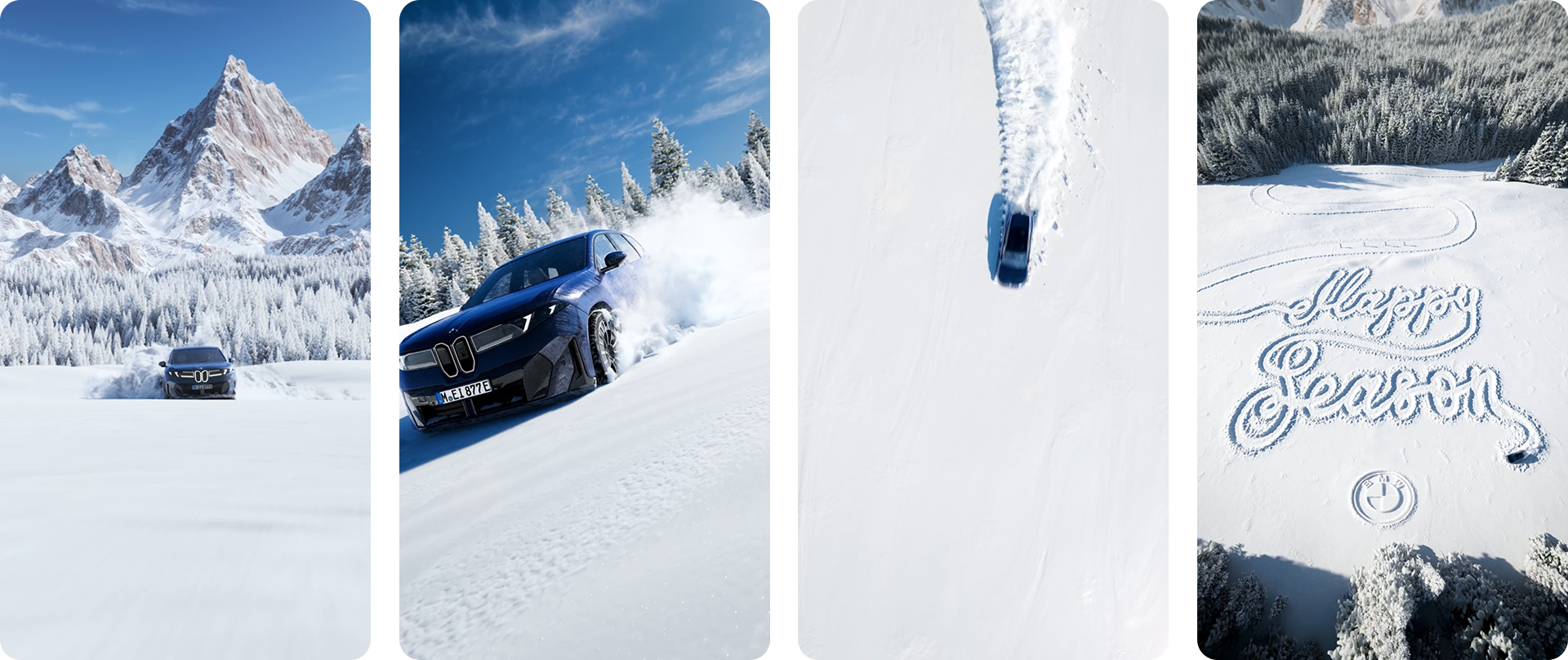
In 2026, AI has naturally become part of the conversation around commercial production, but the simple question of whether a studio uses AI is not particularly revealing. What matters is how and where it is being used. AI can be extremely useful during concept development, visual exploration, storyboarding, environment ideation and selected post-production tasks. It can allow a team to explore a large number of visual directions quickly, which can be valuable when a campaign is still searching for the strongest idea. Traditional 3D remains important when the production requires precise control over geometry, materials, camera movement, lighting, animation or physics. For certain projects, a hybrid CGI and AI workflow can therefore offer the best balance between speed and control. For others, a fully controlled CGI pipeline will produce the more reliable result. A capable production studio should not introduce AI simply because it is currently fashionable. It should be able to explain where the technology genuinely improves the process and where conventional CGI remains the better tool. The useful question is not whether a studio uses AI. It is whether the studio knows which production method is right for the result you need.
Many brands already have digital product data before approaching a CGI production company. This can include CAD files, existing 3D models, product photography, packaging files or assets from previous campaigns. These materials can provide a valuable starting point, but an existing model is not necessarily ready to appear in a commercial. A model created for engineering or manufacturing may need to be cleaned, optimized, rebuilt, textured or prepared specifically for animation and rendering. A good CGI studio should be able to review what you already have and explain what can realistically be reused. This can be particularly important for automotive campaigns, where engineering and CAD data may contain a large amount of useful information but still require substantial preparation before becoming a campaign-ready digital vehicle.
The final part of the decision is less visible in a portfolio but can have the greatest impact on the actual experience of working together. Even a technically excellent CGI studio can become difficult to work with if the scope is unclear, approvals are poorly managed or expectations around timelines and revisions are not established from the beginning.
A production partner should therefore be evaluated not only on what it can create, but on how confidently it can take a project from the initial quote to final delivery.
One of the easiest ways to misunderstand CGI pricing is to compare two numbers without looking closely at what each proposal actually includes. A quote can represent very different levels of production depending on whether the studio is developing the concept, creating the 3D assets, handling animation and VFX, preparing multiple formats or simply executing an already approved storyboard. For example, one proposal might include concept development, 3D modeling, animation, compositing and several revision rounds, while another might assume that all creative development and assets are supplied by the client. The difference may not be obvious from the final price, but it can have a substantial effect on both the workload and the final result. This is why production scope is more useful than price alone. Before comparing proposals, make sure you understand what is included in the creative development, asset creation, animation, simulations, live-action work, camera tracking, VFX, compositing, color grading, final formats and revisions. Duration should also be treated carefully. Two 15-second CGI commercials can have completely different production requirements. One may involve a single product and simple animation, while another may require detailed modeling, multiple environments, simulations and extensive compositing. The better question is not simply, “Which studio is cheaper?” It is, “What level of production am I getting for this budget?” For a more detailed breakdown of CGI, FOOH and AI-hybrid production costs, see our FOOH & CGI Commercial Production Cost: 2026 Pricing Guide.
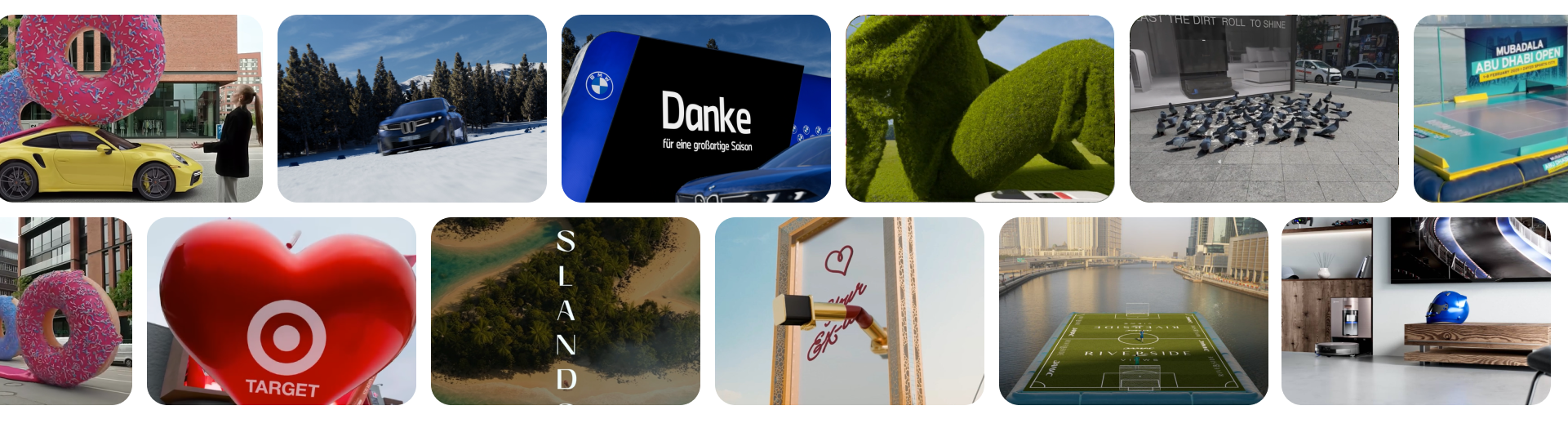
Production timelines should reflect the complexity of the work rather than simply the desired delivery date. A short FOOH video with one product and a relatively simple environment will naturally require a different schedule from a full CGI commercial involving several shots, custom environments and complex simulations. When discussing timing, it is more useful to understand the structure of the production than to hear a single number of days. A typical project may move through briefing and pre-production, visual development, approval, full production, review, revisions and final delivery, with client decisions required at several points along the way. This is particularly important for agencies and brands working against fixed launch dates. A realistic production schedule should make clear not only when the studio expects to deliver, but also when the client needs to provide feedback and approvals. A timeline that leaves room for these stages is generally more reliable than an aggressive promise that assumes everything will be approved immediately and nothing will change.
Revisions are another area where expectations can easily become unclear. A production proposal should explain how many revision rounds are included and, ideally, at which stages feedback is expected. Changing a storyboard is fundamentally different from changing a creative decision after the final animation has already been rendered. The later a major change is introduced, the more of the production may need to be rebuilt. This is why previsualization, animatics and styleframes are so valuable. They give the client an opportunity to shape the creative direction before the most time-consuming work begins. A structured revision process is therefore not about limiting creative feedback. It is about making sure that feedback reaches the production team at a point where it can be implemented efficiently.
A campaign rarely ends with one video in one format. A brand may need a 16:9 master for a website or presentation, a 9:16 version for social media, square adaptations, shorter cutdowns or additional assets for paid media. These requirements are worth discussing before production begins because they can influence the way the CGI project is built. When multiple outputs are considered from the start, the same digital assets can often be adapted across the campaign instead of being recreated for every format. This is one of the advantages of a well-planned CGI production. The investment does not necessarily have to result in a single finished video; the underlying digital assets can become a foundation for a wider visual campaign.
The first project you produce with a studio may be relatively small, but a successful relationship can naturally lead to larger campaigns and more complex requirements. For brands and agencies working across multiple campaigns, it can therefore be useful to consider whether a production partner has enough breadth to support different types of content over time. A studio may begin with a product animation and later become involved in FOOH, Mixed Reality, automotive CGI, Full CGI commercials or AI-hybrid production. This does not mean the studio needs to do absolutely everything itself. What matters is whether it can build the right production team around a project and maintain the same level of communication and quality as the scope grows.
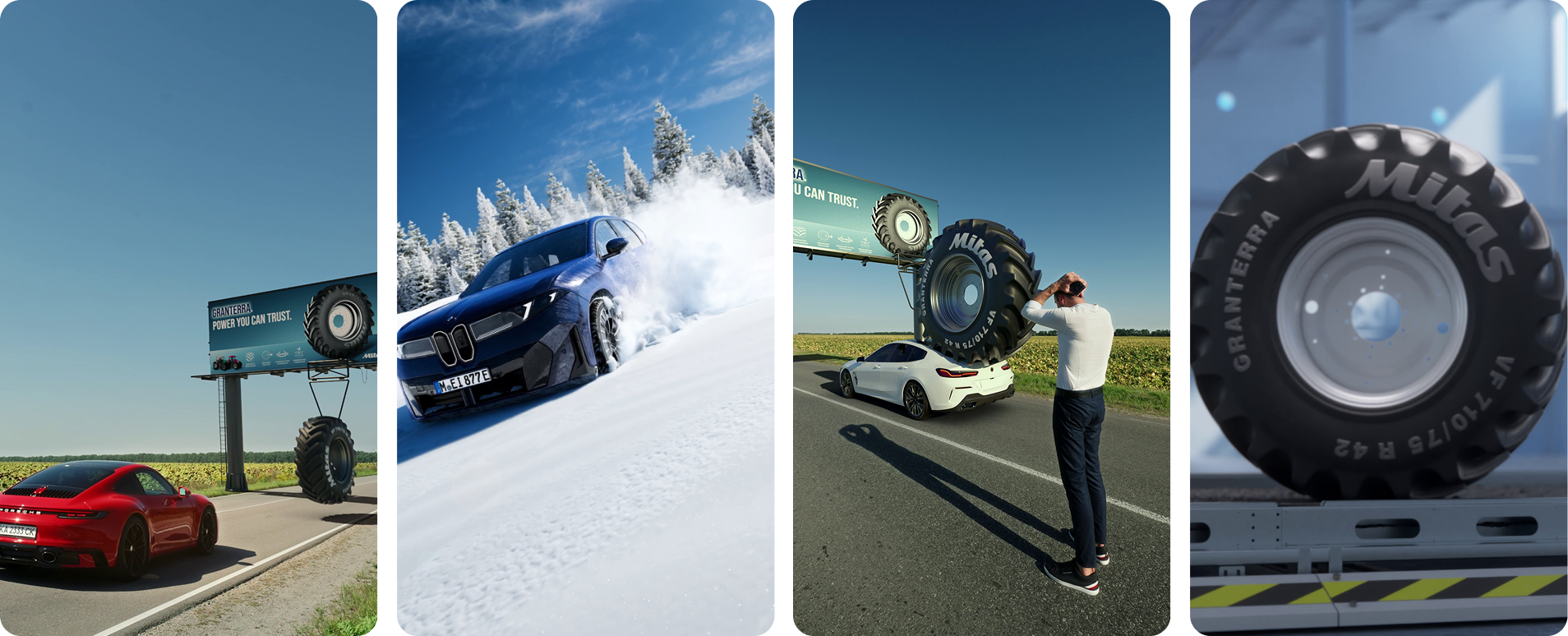
Creative and advertising agencies often need a CGI production partner rather than another agency competing for the same creative role. The ideal relationship depends on what the agency already has in-house and how much responsibility it wants the production studio to take. An agency may arrive with an approved concept, storyboard and styleframes and simply need specialist CGI execution. In another project, the studio may become involved much earlier, helping the agency understand what is technically achievable and shaping the idea into a production-ready concept. Communication can work in the same way. Some agencies prefer their production partners to remain completely behind the scenes, while others want the studio's creative or technical team to join client presentations and explain the production directly. Neither approach is inherently better. What matters is that the relationship is clear from the beginning and that the CGI partner fits naturally into the agency's existing workflow.
For agencies that want to expand their production capabilities without building a permanent internal CGI department, white-label production can be a particularly practical model. The agency remains responsible for the client relationship and overall creative direction, while the external CGI studio provides the specialist production capability behind the scenes. This can give agencies access to advanced 3D, FOOH, VFX and Mixed Reality without requiring them to maintain every technical discipline internally. The arrangement can take different forms depending on the project, but responsibilities, communication and confidentiality should always be established before production begins. When those expectations are clear, the external studio can effectively function as an extension of the agency's own production team.
During the sales process, you may speak primarily with a founder, producer, creative director or account manager, while the people responsible for creating the final images are working behind the scenes. That is completely normal. What matters is understanding how the project will be staffed once production begins. Depending on the campaign, the team may involve a creative director, producer, 3D artists, animators, VFX artists, compositors, art directors and AI specialists. The exact structure will depend on the work, and a larger team is not necessarily a better one. What you want to see is clear responsibility. Someone should own the production, understand where the project stands at every stage and make sure that the different disciplines are moving toward the same final result.
For campaigns running across the US, Europe, the UAE or several international markets, the production itself can involve a number of stakeholders, formats and approval stages. Different platforms may require different aspect ratios and durations, while international campaigns may eventually need localized versions or additional assets. Agencies may also have several client-side stakeholders involved in approvals, which makes clear communication particularly important. A production partner working internationally should therefore be comfortable managing remote collaboration, digital approvals and multiple deliverables without making geography an obstacle. Physical proximity can be useful, but it is not necessarily the most important factor. A clear process, responsive communication and strong production management often matter much more when a campaign involves teams working across different markets.
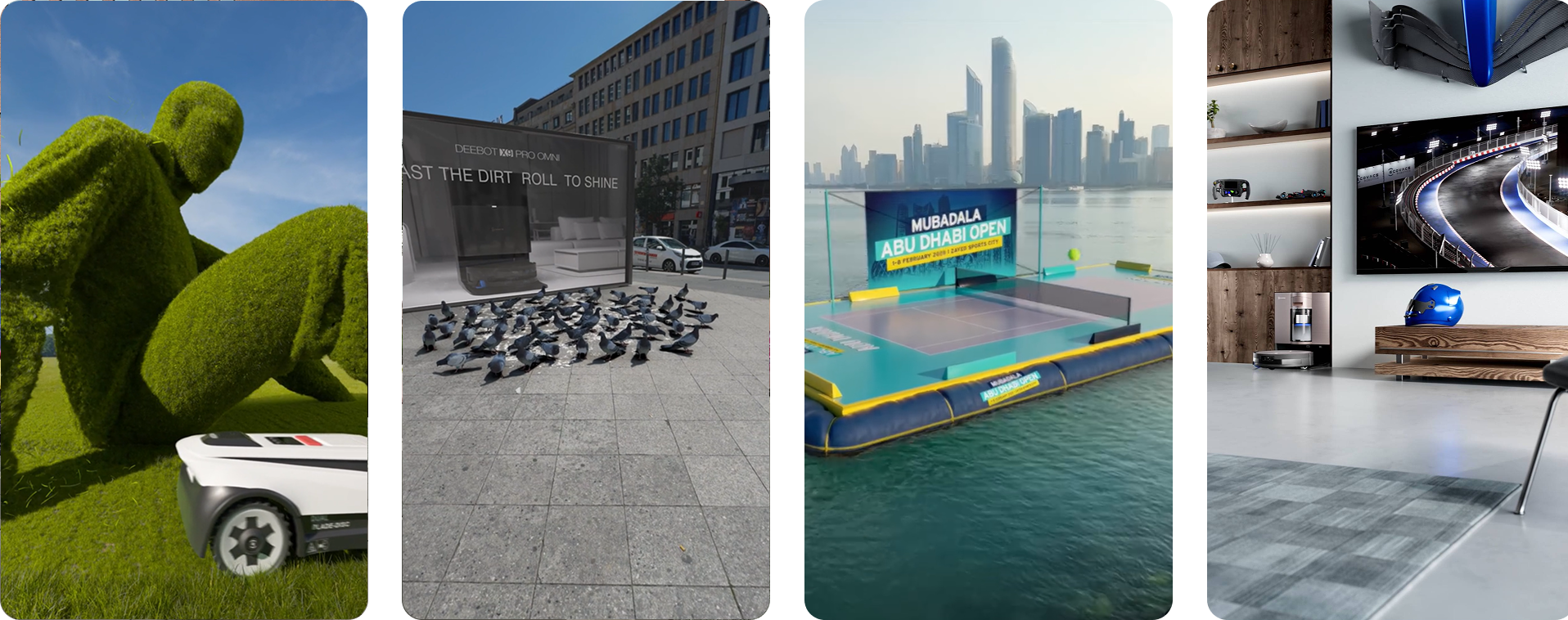
There is no single best CGI production company for every campaign. A large VFX company may be the right choice for a highly complex feature-scale production, while a specialized CGI studio may be better suited to a product launch, FOOH activation or social-first commercial. The right choice depends on the relationship between the creative ambition, technical requirements, budget, timeline and collaboration model. That is why the size of a studio, the number of awards it has received or the size of its social following should not be treated as the deciding factor. What matters is whether the team understands the kind of production you are trying to create and whether its way of working fits the way your campaign needs to be delivered.
By the time you speak to a potential production partner, the most useful questions are usually quite simple. You want to understand whether the studio has experience with work similar to yours, who will actually be responsible for the production, what is included in the proposed scope and how the timeline and revision process will work. It is equally useful to discuss existing 3D or CAD assets, the role AI may play in the workflow, the final formats you will need and whether the production can later be adapted into additional campaign assets. For agencies, the collaboration model should also be clear from the beginning, particularly if the project requires white-label production, confidentiality or direct involvement in client presentations. These conversations often tell you much more about a production partner than a showreel can. They reveal how the studio thinks, how clearly it communicates and whether it understands the practical realities behind the creative brief.
HAUT CGI is a global CGI production studio working across CGI, FOOH, VFX, Mixed Reality and AI-enhanced production. The studio works with brands and creative agencies on campaigns where the visual idea needs to combine strong creative direction with controlled technical execution. Depending on the project, HAUT can support the production from creative development and previsualization through 3D production, animation, rendering, VFX, compositing and final delivery. For FOOH and Mixed Reality campaigns, this can include camera tracking and integration with real footage, while Full CGI projects can be developed entirely within a controlled digital environment.
For agencies, HAUT can also operate as an external production partner, joining the process at the stage that makes the most sense for the campaign. An agency may arrive with a fully developed concept and need specialist CGI execution, or involve the studio earlier when an idea needs to be translated into a technically achievable production. The objective is not to replace the agency's creative role or add another layer of complexity to the process. It is to provide the specialist CGI and VFX production capability needed to turn a campaign idea into finished visual content.